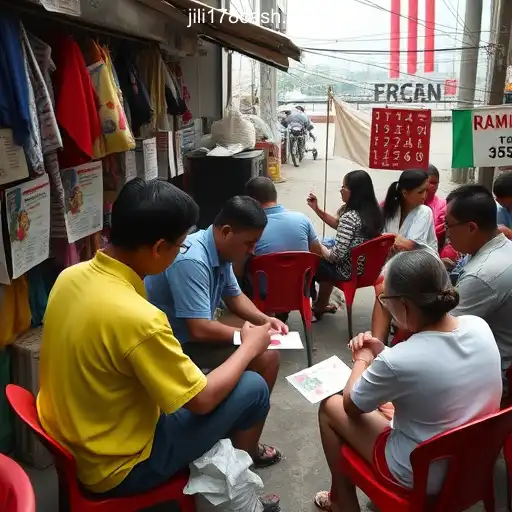
Understanding Jueteng in the Philippines
Jueteng has been an integral part of the Philippine socio-cultural fabric for many years. It is an illegal numbers game that has persisted, despite numerous attempts by the government to eradicate it. Its resilience and the complexities surrounding its existence make it a fascinating topic for discussion.
The History and Mechanics of Jueteng
Jueteng is believed to have originated from China and was introduced to the Philippines during the Spanish colonial period. The game operates similarly to a lottery. Players choose a combination of numbers, and those numbers that match the draw win cash prizes. Jueteng draws are conducted secretly, though the game's popularity makes its operations an open secret throughout the nation.
The game is straightforward and appeals to many due to its simplicity and the lure of instant wealth. To play, individuals select two numbers between 1 and 37. Betting is done predominantly in cash, and the results are determined every few hours, leading to rapid turnover of bets. This setup has enabled Jueteng to thrive, especially in economically challenged regions where citizens cling to hopes of a windfall.
Social and Economic Implications
Jueteng has significant social and economic implications in Philippine society. Economically, it generates substantial income, albeit informally and illegally. This income is distributed among collectors, coordinators, and cabos (operators), providing livelihoods for many who might otherwise struggle to find employment. Socially, Jueteng acts as a form of entertainment, drawing communities together and fostering social bonds despite its illicit nature.
However, the economic benefits are overshadowed by the social issues it perpetuates. Chief among these is corruption. Jueteng operators often bribe local officials and law enforcement to turn a blind eye to their operations. Such corruption can erode public trust in institutions, perpetuating a cycle of bribery and power wielding.
Government Efforts and Challenges
The Philippine government has long recognized the challenges Jueteng poses. Various administrations have attempted to address it through increased law enforcement and legislative efforts. Despite these initiatives, Jueteng remains resilient, primarily due to its deep-seated roots in local communities and the inefficiency in law enforcement owing to systemic corruption.
One strategy the government has used is to launch state-sanctioned alternatives like the Small Town Lottery (STL), which aims to divert betters from Jueteng to a legal form of gambling that contributes to state revenues. While STL has had some success, it has not eradicated Jueteng, which continues to appeal to those looking for untaxed and unregulated games. In many regions, Jueteng has become intertwined with STL operations, muddling efforts to provide a clear delineation between legal and illegal gaming activities.
Comparison with Modern Online Gambling
The rise of online gambling platforms such as jili178 - Official - Best Online Casino in the Philippines introduces another facet to the gambling landscape in the country. Unlike Jueteng, these platforms operate legally under strict regulations, providing a safer and more structured gambling environment. These platforms offer a variety of games, including those mimicking traditional games such as Jueteng but in a digital format.
Online casinos are gaining popularity due to their convenience and accessibility but also emphasize responsible gaming practices and contribute tax revenue to the government. Comparatively, their operations are transparent and help mitigate some of the social issues associated with gambling, such as exploitation and corruption, as they are heavily monitored and regulated.
The Future Outlook
The persistence of Jueteng in the Philippines reflects a complex interplay of economic necessity, cultural tradition, and governance challenges. While online gambling platforms like jili178 - Official - Best Online Casino in the Philippines present a legal alternative, the cultural and economic significance of Jueteng means it is unlikely to disappear overnight. Future efforts to combat Jueteng will require a multifaceted approach, balancing enforcement with providing viable alternatives for economic sustenance.